Your roof is one of the most crucial parts of your home or commercial building. It shields you from the elements, keeping everyone inside safe and comfortable. Yet, many people overlook the need for regular roof inspections and maintenance. Whether it’s the roof on your home or a commercial roofing in Mesa AZ, ignoring these routine check-ups can lead to expensive problems down the road.
This blog post will discuss why it’s important to regularly inspect and maintain your roof, the benefits of doing so, and when a roof replacement might be necessary. By the end, you’ll understand how proper care and timely inspections can protect your property and save you money.
Why Regular Roof Inspections Matter
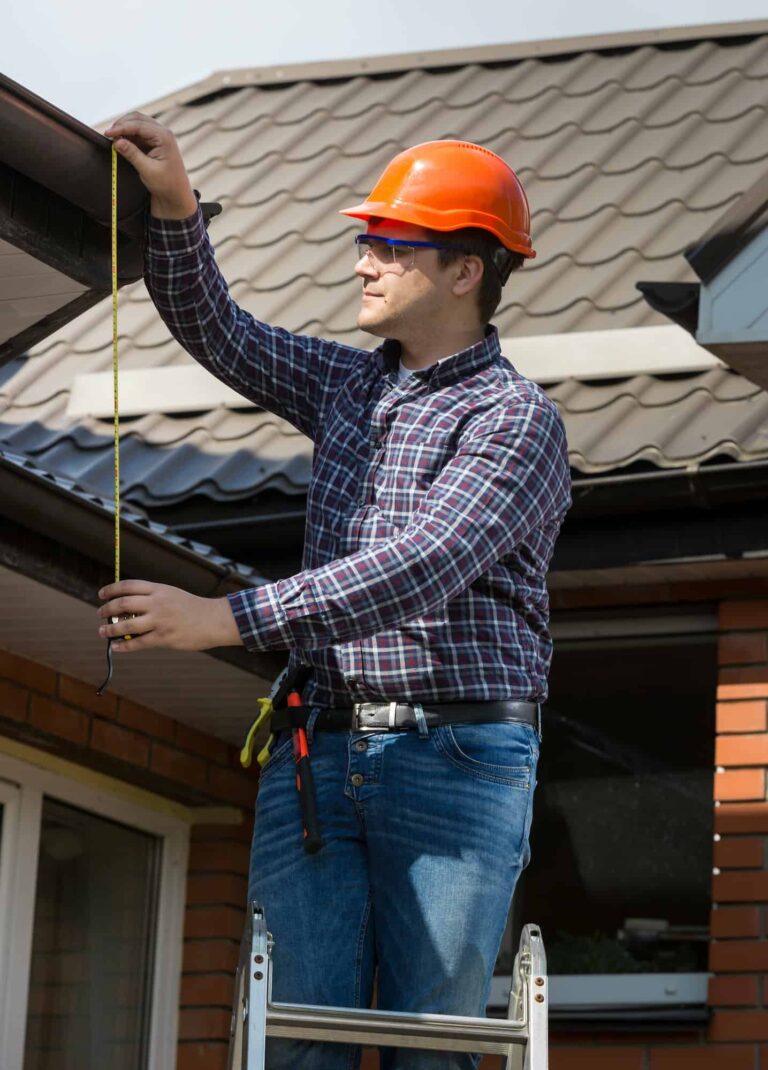
A roof inspection involves a detailed check of your roofing system to identify any signs of wear and tear or damage. During an inspection, professionals will look for loose shingles, leaks, cracks, mold, or any other damage that could weaken your roof’s structure. Regular roof inspections are essential because many roofing issues go unnoticed until they become major problems.
In areas where commercial and residential buildings experience extreme heat and monsoon rains, roofing systems can degrade quickly if they aren’t properly maintained. High temperatures can cause roofing materials to expand and contract, while heavy rains can lead to leaks or pooling water on flat roofs. Without regular inspections, these issues can worsen over time, leading to expensive repairs or even a full roof replacement.
Benefits of Routine Maintenance
Roof maintenance is not just about preventing leaks or other damage. It’s also about extending the life of your roof and ensuring it functions properly for as long as possible. Here are some benefits of regular roof maintenance:
- Prevents Expensive Repairs: Roof problems often start small. A tiny leak, a few loose shingles, or a small crack in the roof might not seem like a big deal. However, over time, these small problems can grow into costly repairs if not addressed. By catching and fixing issues early, you avoid the hefty costs associated with major repairs or an unexpected roof replacement.
- Increases Roof Longevity: Roofs are designed to last for decades, but only if they are properly maintained. Regular inspections and maintenance ensure that your roof remains in top condition for as long as possible. Whether it’s a residential roof or a commercial roofing system, taking care of your roof can help extend its lifespan by several years.
- Improves Energy Efficiency: A well-maintained roof does more than just protect your property from the elements; it also helps regulate temperature inside your home or building. Gaps, cracks, or damaged insulation can let hot or cold air escape, forcing your heating or cooling system to work harder. This not only increases your energy bills but also decreases your home’s energy efficiency. Regular maintenance ensures that your roof remains sealed and properly insulated, keeping your energy costs down.
- Protects Property Value: Whether you plan to sell your property or keep it for years to come, a well-maintained roof is a critical part of its overall value. Potential buyers are more likely to invest in a property with a roof that has been properly cared for. Plus, keeping up with regular roof maintenance can save you from needing a sudden roof replacement when you’re trying to sell, which can put a dent in your profits.
- Safety: A neglected roof can pose serious safety risks. Loose shingles or tiles can fall and injure someone. Water leaks can also cause structural damage, leading to mold growth and other health hazards. By maintaining your roof, you reduce the risk of accidents and ensure a safe environment for everyone.
Common Issues Found During Roof Inspections
You might be wondering what kinds of problems an inspection might reveal. Here are some common issues that professionals often find:
- Loose or Missing Shingles: Wind and storm damage often result in shingles coming loose or going missing. This can expose the underlayment and lead to water leaks.
- Cracks or Holes: Even small cracks or holes in the roofing material can let in water, leading to leaks and potential structural damage.
- Pooling Water: Flat roofs, common in commercial roofing systems can develop areas where water pools after rain. Over time, this can cause the roof material to deteriorate, leading to leaks or even collapse.
- Flashing Issues: Flashing is used to seal areas where the roof connects to chimneys, vents, or walls. If the flashing is damaged or missing, it can allow water to seep into your home or building.
- Debris Build-up: Leaves, branches, and other debris can clog gutters and downspouts, leading to water back-ups and potential damage to the roof and foundation.
Roof Replacement: When It’s Time to Upgrade
No matter how well you maintain your roof, it will eventually reach the end of its lifespan. Most roofing materials are designed to last 20-30 years, though some can last longer with proper care. If your roof is nearing the end of its life, or if it has significant damage, a roof replacement may be the best option.
Here are some signs that it might be time to consider a roof replacement:
- Age of the Roof If your roof is over 20 years old, it’s worth having a professional inspect it to determine if a replacement is needed. Older roofs are more prone to leaks, damage, and energy inefficiencies.
- Extensive Damage If more than one-third of your roof has damage, repairs might not be enough to restore it to proper working condition. In these cases, replacing the roof entirely is often a better investment.
- Frequent Leaks If you’re constantly dealing with leaks, it might be time to upgrade to a new roof. Frequent repairs can add up, and a roof replacement might end up being the more cost-effective option.
- Energy Bills Are Increasing As mentioned earlier, a damaged roof can cause energy inefficiencies. If you’ve noticed your energy bills creeping up, it could be because your roof is no longer insulating your home or building properly.
In areas where commercial roofs often face more wear and tear due to their size and exposure to harsh weather conditions. Commercial roofing systems are also more complex, and when they start to fail, it can lead to business disruptions. Replacing a commercial roof before it becomes a problem ensures that your building remains safe, energy-efficient, and protected from the elements.
How Often Should You Schedule Roof Inspections?
The frequency of roof inspections depends on several factors, including the age of your roof, the weather in your area, and the type of roofing material used. For newer roofs, it’s a good idea to schedule inspections every 1-2 years. Older roofs or those in harsh climates, may require more frequent inspections.
Additionally, it’s essential to have your roof inspected after severe weather events like storms, heavy winds, or hail. These events can cause damage that isn’t immediately visible but can worsen if not addressed.
Conclusion
Regular roof inspections and maintenance are critical to extending the life of your roof and protecting your property. Whether you own a commercial building or a home in a more temperate climate, staying on top of roof maintenance can prevent costly repairs, improve energy efficiency, and ensure the safety of your building’s occupants.
If you’ve noticed signs of damage or if your roof is approaching the end of its life, don’t wait. Schedule a professional inspection to determine whether maintenance or roof replacement is needed. A little preventive care today can save you a lot of hassle and money down the road.