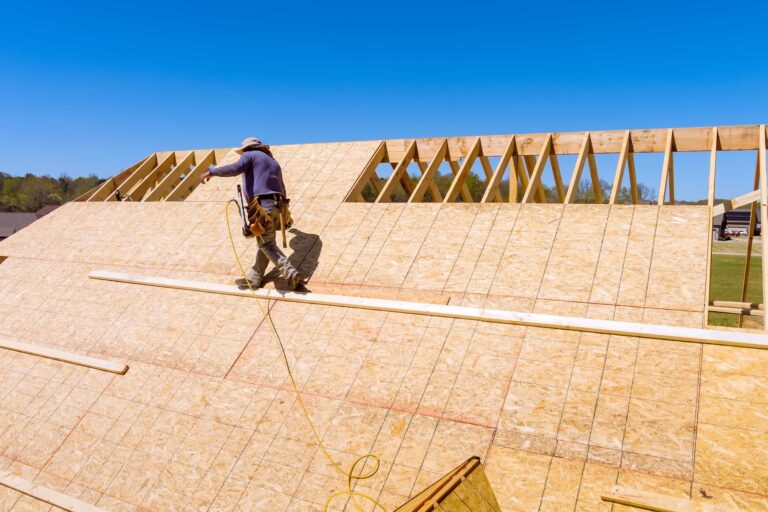
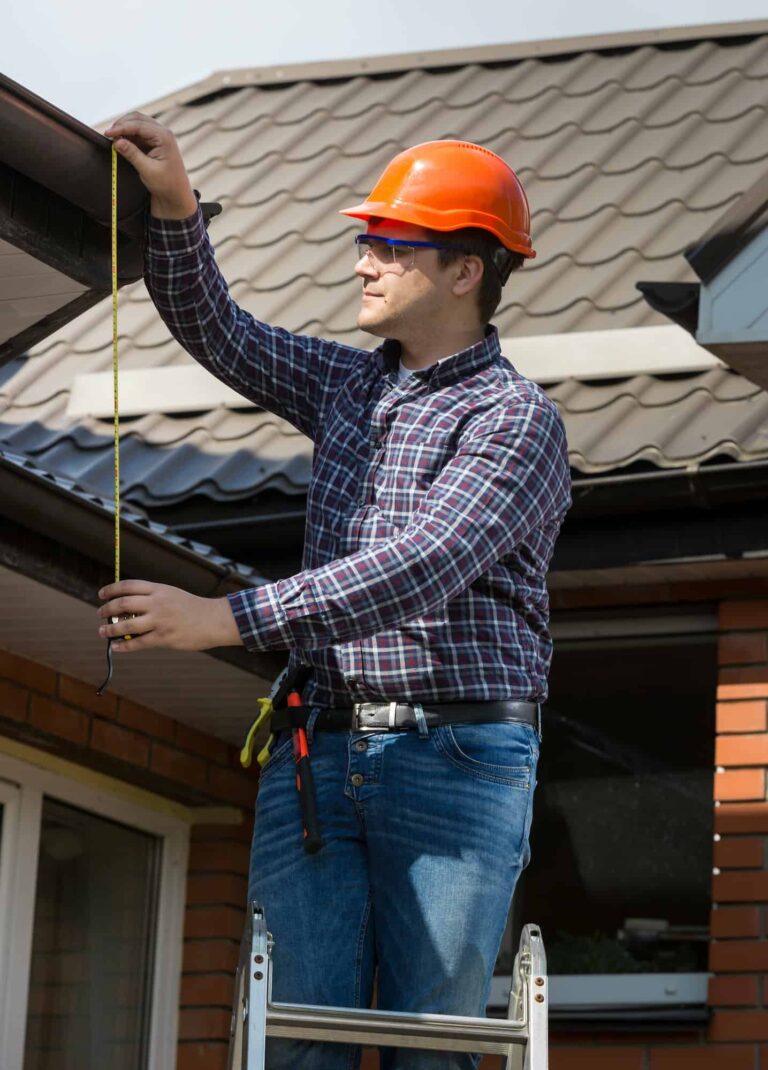
Your roof protects your family and belongings from the elements and plays a key role in your home’s overall appearance and energy efficiency. Choosing the right roofing material is essential, as it can affect everything from your home’s curb appeal to its long-term durability.
As a homeowner, you might feel overwhelmed by the many options available for roof installation in Mesa, AZ. Each type of roofing material has its own benefits and drawbacks, making it crucial to understand what each one offers. In this guide, we will explore the different types of roofing materials, including asphalt shingles, metal roofing,and more. By gaining a better understanding of these options, you can make an informed decision that suits your needs, budget, and your climate.
Whether you are building a new home, replacing an old roof, or simply curious about your choices, this guide will provide valuable insights. We will cover the key features of each roofing material, their maintenance requirements, and how they can impact your home’s energy efficiency. Armed with this information, you will be well-equipped to choose the best roofing solution for your home. Let’s dive into the world of roofing materials and find the perfect fit for your home.
1. Asphalt Shingles
Overview
Asphalt shingles are one of the most common roofing materials used in residential homes. They come in two main types: fiberglass and organic. Fiberglass shingles are lighter and more durable, while organic shingles have a base made from recycled paper.
Benefits
- Affordability: Asphalt shingles are generally less expensive than other materials.
- Variety: They come in various colors and styles, allowing homeowners to choose a look that matches their home.
- Ease of Installation: Asphalt shingles are easy to install, making them a popular choice for many roofing replacement companies.
Considerations
While asphalt shingles are cost-effective, they may not last as long as some other materials. They typically have a lifespan of 15 to 30 years, depending on the quality.
2. Metal Roofing
Overview
Metal roofing is gaining popularity for residential homes and commercial buildings. It can be made from various metals, such as aluminum, steel, copper, or zinc.
Benefits
- Durability: Metal roofs can last 40 to 70 years, making them a long-term investment.
- Energy Efficiency: They reflect heat from the sun, helping to keep your home cooler and reducing energy costs.
- Low Maintenance: Metal roofs require minimal upkeep compared to other materials.
Considerations
Metal roofing can be more expensive upfront. However, the long lifespan and energy savings often make it a worthwhile investment.
3. Clay and Concrete Tiles
Overview
Clay and concrete tiles are known for their distinctive appearance and durability. They are often found in Mediterranean-style homes.
Benefits
- Longevity: Both clay and concrete tiles can last 50 years or more.
- Fire Resistance: These materials are fire-resistant, providing added safety.
- Energy Efficiency: They help regulate indoor temperatures and are energy-efficient.
Considerations
Clay and concrete tiles can be heavy, requiring a strong support structure. Additionally, they tend to be more expensive than asphalt shingles.
4. Slate Roofing
Overview
Slate roofing is made from natural stone and is known for its elegant appearance. It is a premium roofing material that can enhance the value of your home.
Benefits
- Longevity: Slate roofs can last over 100 years with proper maintenance.
- Aesthetic Appeal: They offer a unique and beautiful look, available in various colors and textures.
- Low Maintenance: Once installed, slate roofs require minimal maintenance.
Considerations
The high cost and weight of slate roofing may make it less suitable for some homes. It’s essential to work with a reputable roofing replacement company to ensure proper installation.
5. Wood Shingles and Shakes
Overview
Wood shingles and shakes provide a natural, rustic look to homes. Shingles are sawn on both sides, while shakes are hand-split and have a more textured appearance.
Benefits
- Aesthetic Appeal: Wood roofs add warmth and character to a home.
- Insulation: They provide good insulation, helping to regulate indoor temperatures.
Considerations
Wood roofing requires more maintenance than other materials. It is susceptible to rot, insects, and fire, so regular inspections and treatment are necessary.
6. Synthetic Roofing Materials
Overview
Synthetic roofing materials, including rubber and plastic composites, mimic the appearance of traditional roofing materials like slate or wood without the associated drawbacks.
Benefits
- Durability: Synthetic materials are often more durable than their natural counterparts.
- Lightweight: They are lighter than slate or tile, making installation easier.
- Cost-effective: Synthetic roofing can be less expensive while offering similar aesthetics.
Considerations
The long-term performance of synthetic materials can vary, so it’s essential to choose a reputable brand.
Factors to Consider When Choosing Roofing Materials
When deciding on roofing materials for your home, several factors come into play:
1. Climate
The climate in your area significantly influences the type of roofing material you should choose. For instance, if you live in an area with heavy snowfall, a material that can withstand weight and ice, like metal or slate, might be better. On the other hand, areas with high heat may benefit from materials that reflect sunlight, such as metal or light-colored tiles.
2. Budget
Your budget is a critical factor in your roofing decision. While some materials may be cheaper upfront, consider their lifespan and maintenance costs. Investing in a more expensive but durable option may save you money in the long run.
3. Aesthetic Appeal
The style and appearance of your roof can enhance your home’s curb appeal. Consider how different materials complement your home’s architecture. For example, clay tiles may suit Mediterranean-style homes, while wood shakes may fit a rustic setting.
4. Local Regulations
Before making a final decision, check local building codes and regulations. Some neighborhoods may have restrictions on specific materials, especially in historical districts. Consulting with a roofing replacement company can help you navigate these requirements.
5. Installation and Maintenance
Consider how easy it is to install and maintain the roofing material. Some materials require specialized installation, which may affect your overall cost. Regular maintenance is essential for ensuring the longevity of your roof, so choose a material that aligns with your willingness to maintain it.
Conclusion
Choosing the right roofing material is crucial for the longevity and performance of your roof. With various options available, from asphalt shingles to metal and slate roofing, homeowners should carefully consider their needs, budget, and climate. Engaging with a reputable roofing replacement company can provide valuable insights and assistance throughout the decision-making process.
When planning your roofing project, it’s essential to research local options to ensure you get quality materials and installation. By understanding the different types of roofing materials available, you can make an informed choice that protects your home for years to come.